The Rhythm of Kyoto: Awakening Within Centuries of Cedar and Stone
Dossier Index
At 5:15 in the morning, the northern alleys of Kyoto are devoid of motorized movement. The damp aroma of Hinoki cypress drifts through lattice screens as the first wooden mallet strikes the bell at Daitoku-ji. The note does not shatter the silence; it establishes its scale.
To encounter Kyoto beyond the cacophony of mid-day sightseeing requires synchronizing one's pulse with the temple precincts before the morning stalls open. Here, walking across the polished wooden verandahs of an ancient monastery, the squeak of the Nightingale Floor (uguisubari) serves as both historic security system and poetic greeting.
The Geometry of Emptiness: Raked Sand & Shadow
In Western architectural tradition, significance is frequently denoted by mass, ornamentation, and permanence. In the dry landscape gardens (karesansui) of Kyoto, power resides in what has been consciously omitted. Rocks chosen for their weathered contours evoke islands emerging from sea waves of white gravel.
“The garden does not represent nature; it frames a silence in which nature can observe itself through human consciousness.”
Behind the high mud-plaster walls of Kamigyo-ku, family workshops continue practices that predate modern nation-states. In a modest timber atelier, fourth-generation joiners plane cedar beams using hand tools without a single metal fastener. Each joint is engineered to absorb seismic tremor through organic elasticity.
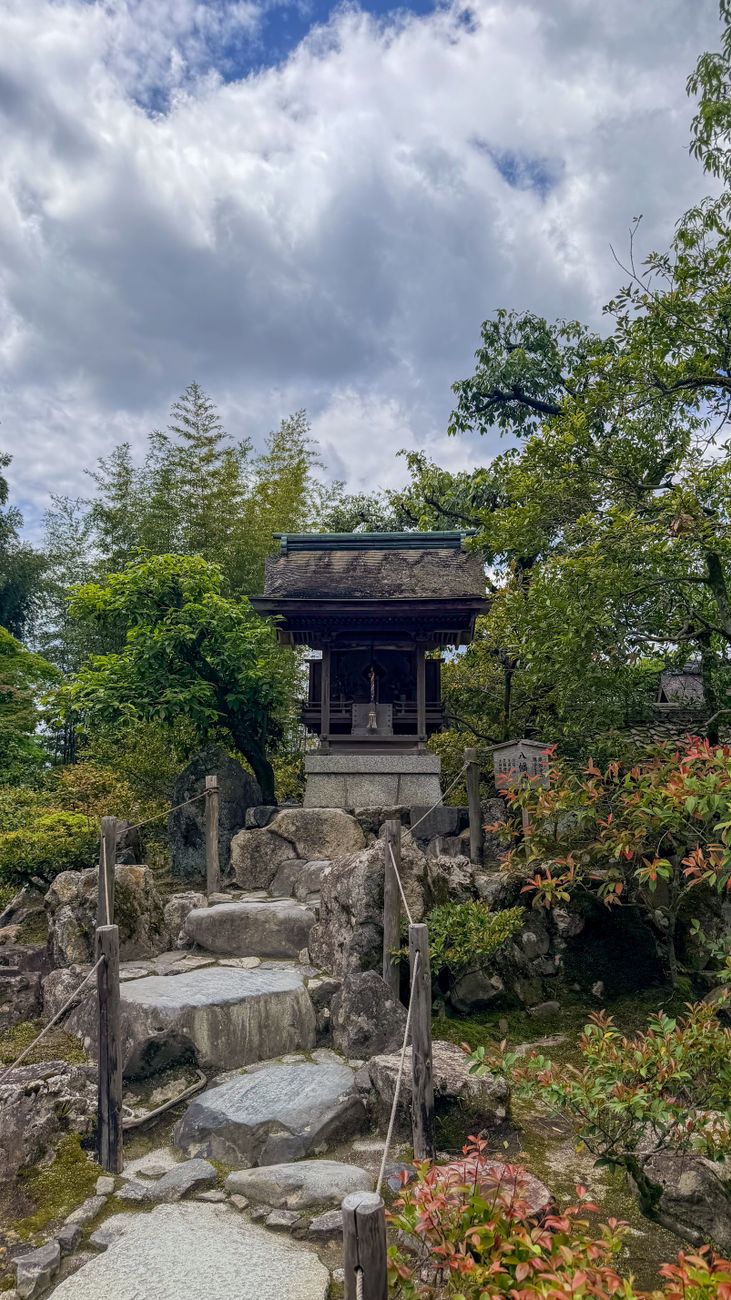
A sub-temple courtyard in north Arashiyama photographed at sunrise.
Notes for the Contemplative Traveler
Should your own path lead you to Kyoto, we suggest three deliberate constraints:
- Arrive before 06:30: Walk through temple grounds during morning meditation periods when gardens are freshly raked.
- Engage with neighborhood sentō: Skip Western-style hotel spas for neighborhood public baths that use spring water drawn from the deep Kyoto basin aquifer.
- Dedicate an entire afternoon to tea: Reserve a three-hour chado session where movement, bowl rotation, and seasonal confections dictate the tempo of thought.
Desire a personalized dossier for your Kyoto voyage?
Our editors provide custom neighborhood itineraries and temple reservations for respectful independent travelers.
Inquire with Editors