Salt, Sfumato, and Solitude: Hidden Trails of the Amalfi Ridge
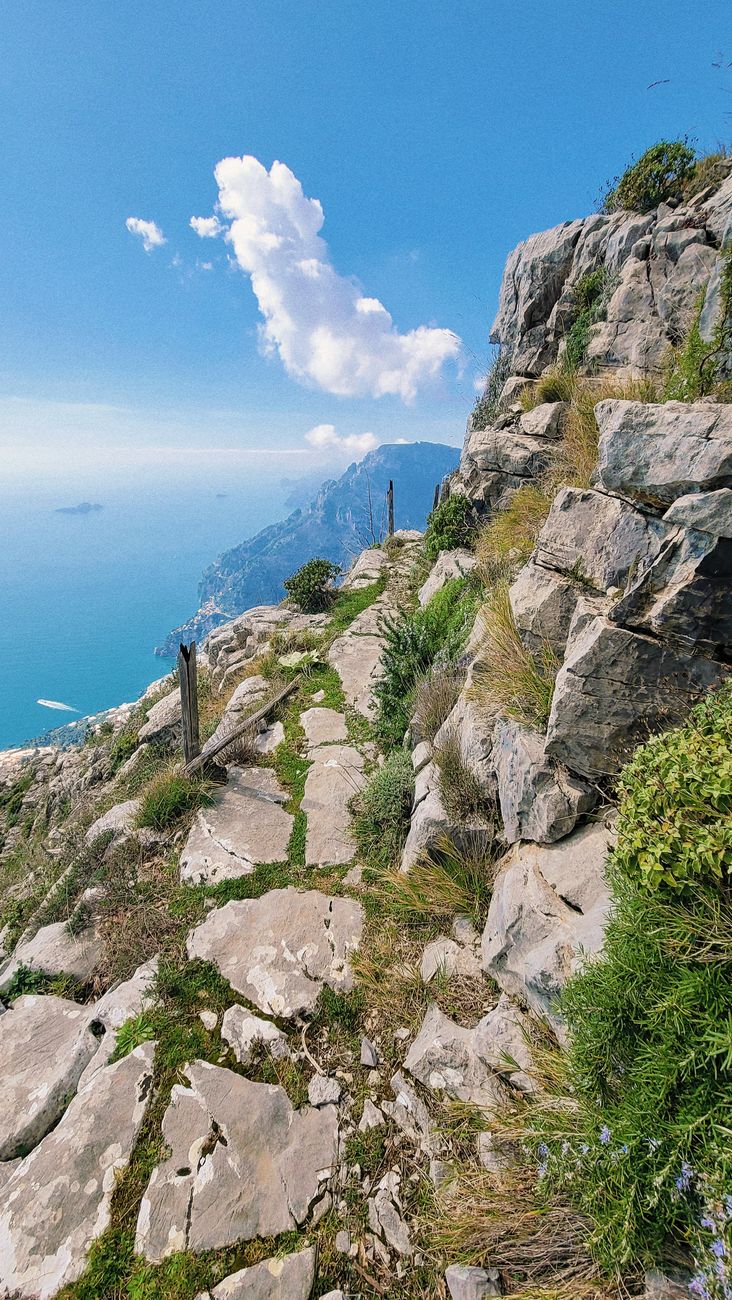
The asphalt ribbon that hugs the Amalfi coast is famously overwhelmed from May through October. But seven hundred meters vertically above the tour buses and selfie sticks lies an entirely distinct civilization carved into the limestone cliffs of the Monti Lattari.
Beginning in Bomerano, the historic mule tracks known colloquially as the Sentiero degli Dei (Path of the Gods) connect hamlets where vehicles cannot physically enter. Groceries, construction stones, and fresh goat ricotta are still carried by mules whose bronze bells ring softly against stone ravines.
The Vertical Lemon Groves
Here, the sfusato amalfitano lemon is not merely a crop; it is an architectural bulwark. The root systems of these citrus trees hold the terraces intact against autumnal torrential downpours. Black chestnut pergolas protect the ripening fruit from sea spray, creating dappled golden tunnels where the air tastes of sulfur, salt, and essential citrus oils.
“When you view the sea from six hundred meters up, the horizon dissolves into a luminous lavender haze that Renaissance painters called sfumato.”
Escaping the Congestion
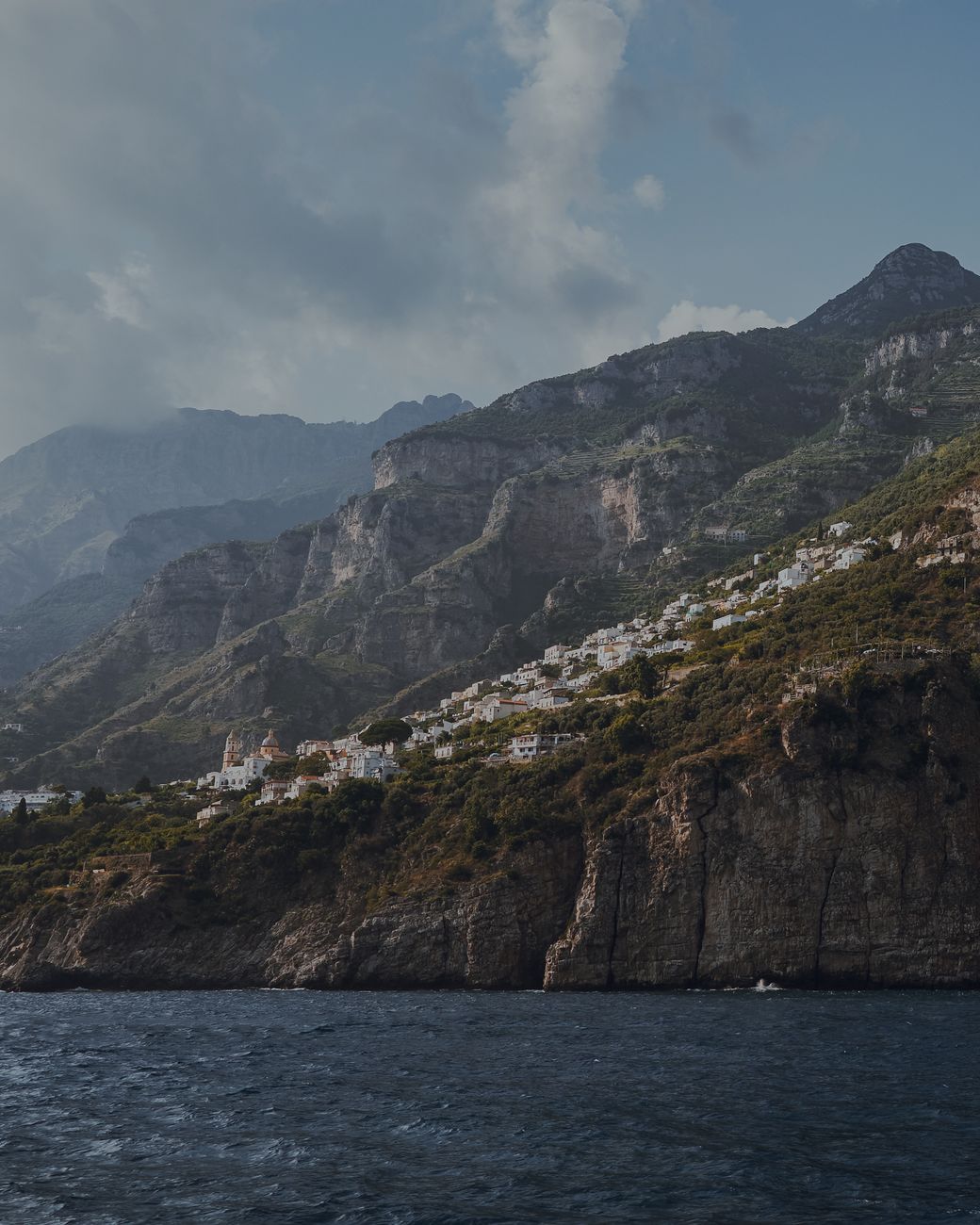
Our recommendation for visiting this coast is categorical: stay high on the mountain ridge in Agerola or Nocelle rather than in sea-level port towns. Descend only in late afternoon when day-tripping ferries depart, or hire a wooden gozzo boat at dusk to swim into quiet limestone grottos inaccessible by foot.
Plan your Mediterranean coastal walk
Receive our vetted guide to rustic trattorias, mule paths, and private boatmen along the Campania ridge.
Inquire for Details